 Bishop Consulting
Urban Energy Modelling
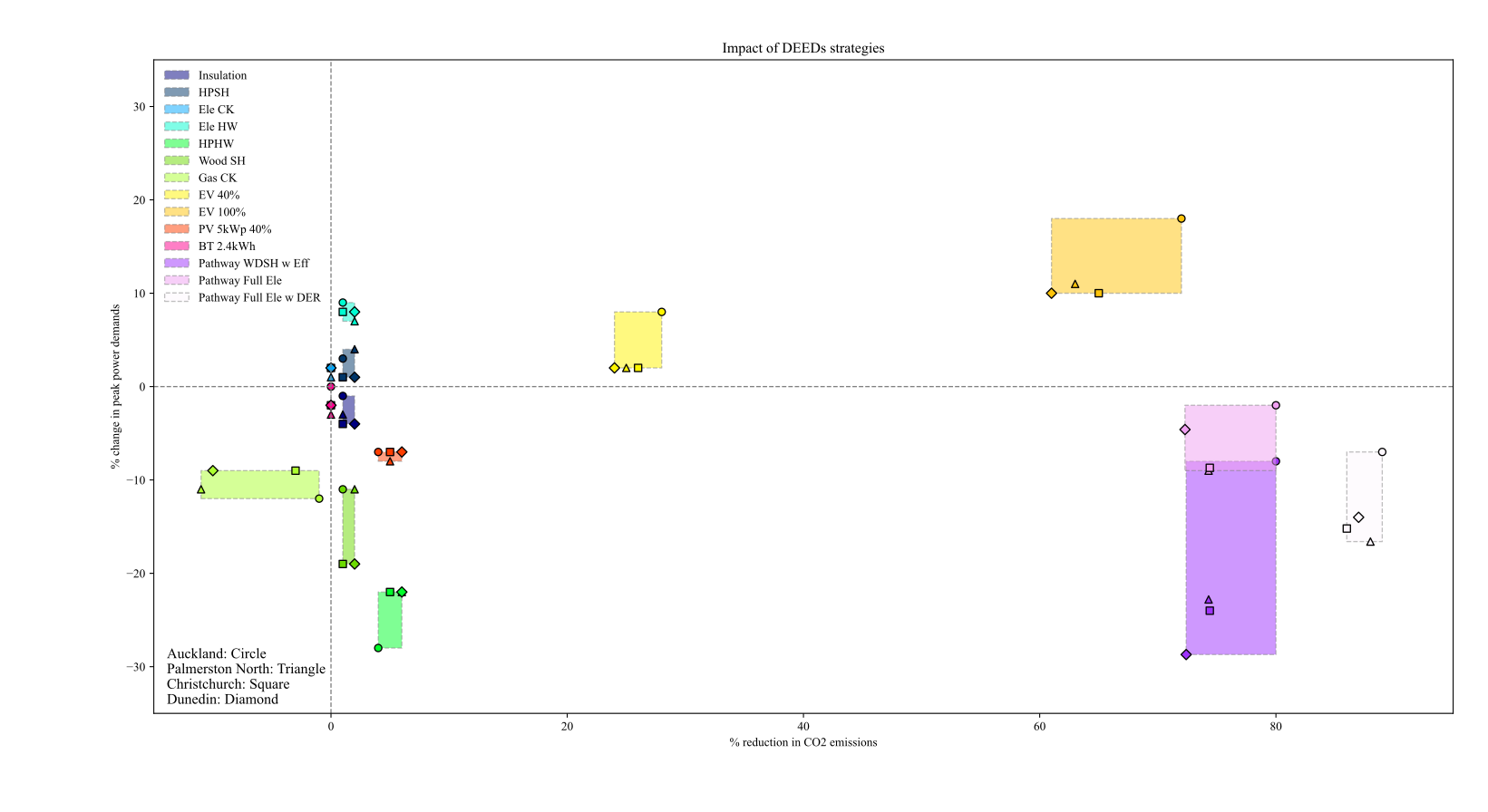
The ‘Pathways to net-zero' project was a multi-year (2022-2025) research project co-funded by MBIE, BRANZ, and the BIP, where I was the lead researcher. The project explored pathways to energy and emissions reductions for neighborhoods in different climates in New Zealand. To accurately assess the impact of technologies, a detailed minute resolution physics-based model was developed, representing a world-first in Urban Energy Modelling. The Urban Energy Model included bespoke developed models for:
- Space heating and cooling (Building Energy Models)
- Hot water heating
- Household plug loads (incl. cooking loads)
- Electric vehicle charging
- Rooftop solar PV
- Domestic batteries
Space and Hot Water Heating – thermal modeling
EECA commissioned a lifecycle analysis of space and water heating technologies, which I completed in
collaboration with the Electrical Power Engineering Centre (EPEC) consulting arm of the University of
Canterbury (2024-2025).
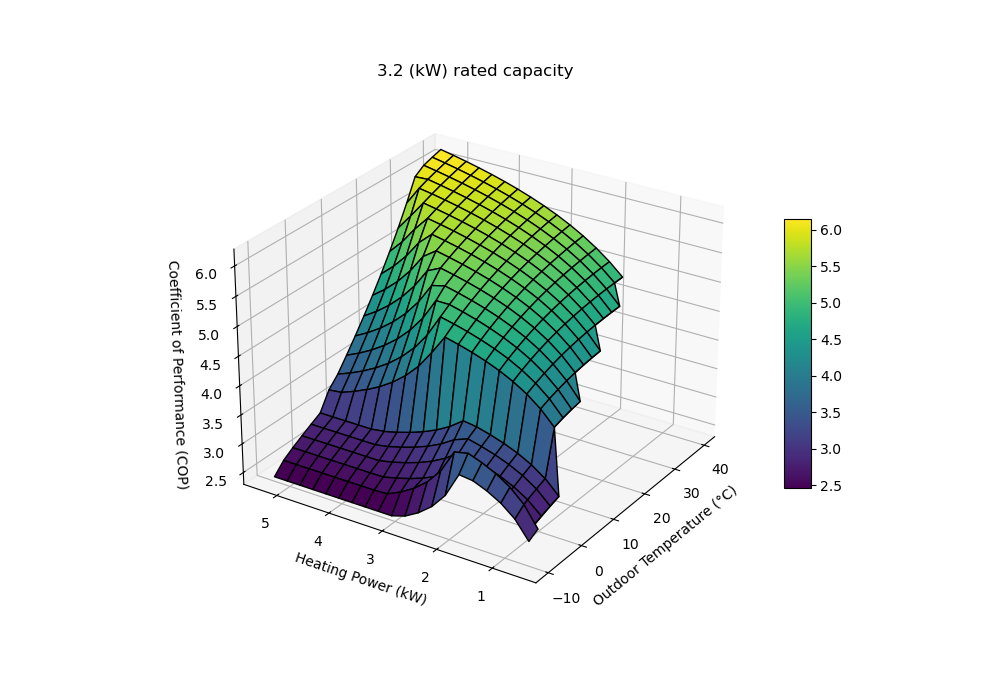
My role included calculating the operating performance of a range of space and hot water heating
technologies, using a combination of bespoke developed physics-based models and standard-based empirical
models. For a comprehensive assessment, the models included a high time resolution to enable the
simulation of various control strategies and to evaluate any lost serviceability (aka cold showers).
Altogether, over 5000 scenarios required simulation, requiring parallel processing.
Overall, the work provides detailed guidance for policy makers and individuals on the selection of space and
hot water heating technologies. Read the full report here [AWAITING RELEASE].
National Demand Flexibility Assessment
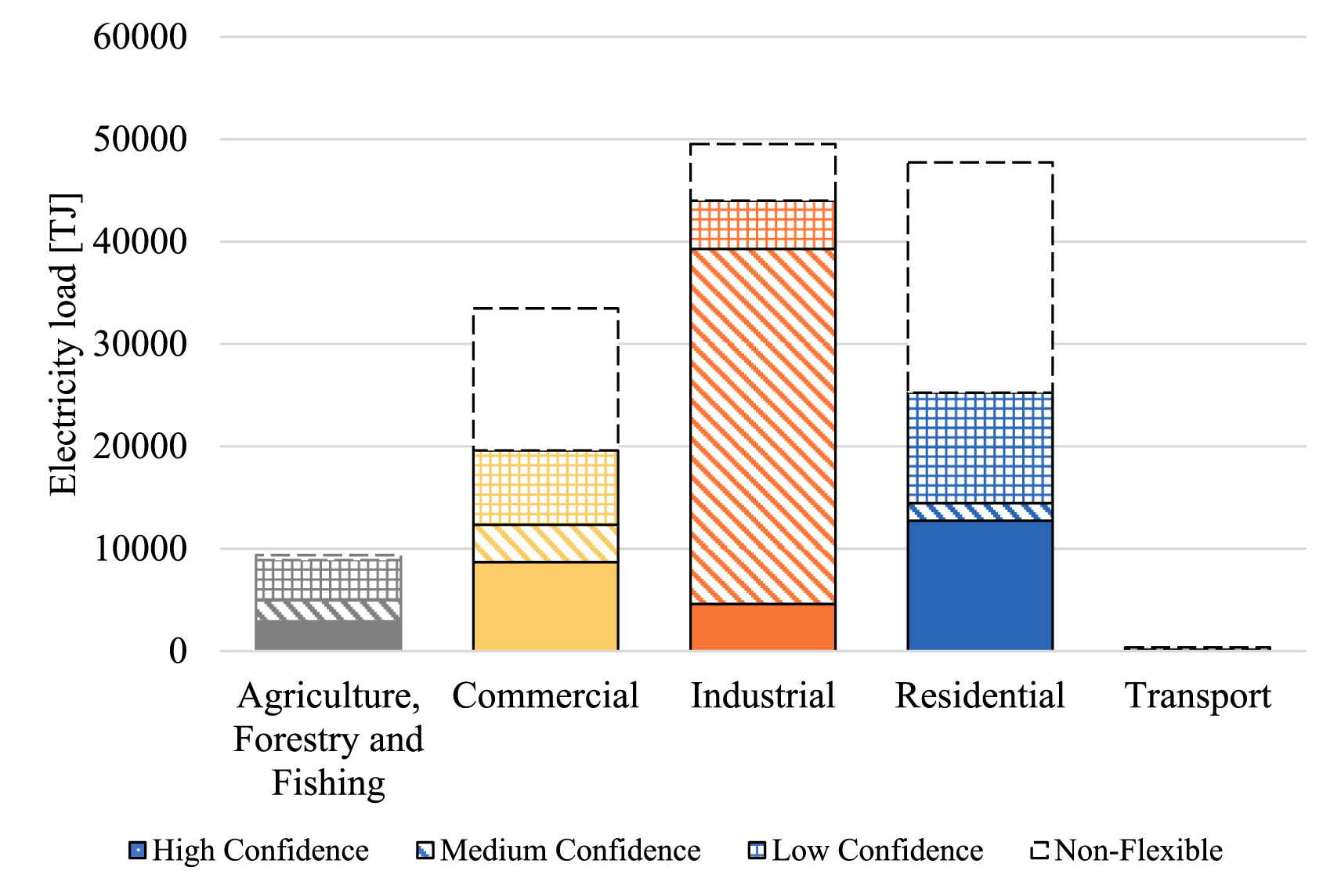
To address the important question of ‘how much demand flexibility is present in New Zealand?’ and ‘what
loads should be targeted?’. A student and I developed a framework to characterize loads based on their
source of demand flexibility. We then applied this framework on New Zealand, using the EECA developed Energy
End-use Database (EEUD), to develop New Zealand specific figures and recommendations.
The analysis finds that up to 69% of New Zealand electricity demand is susceptible to demand flexibility.
The paper was published in the world-class Energy Policy journal and is available to read here.
National Energy System Modelling
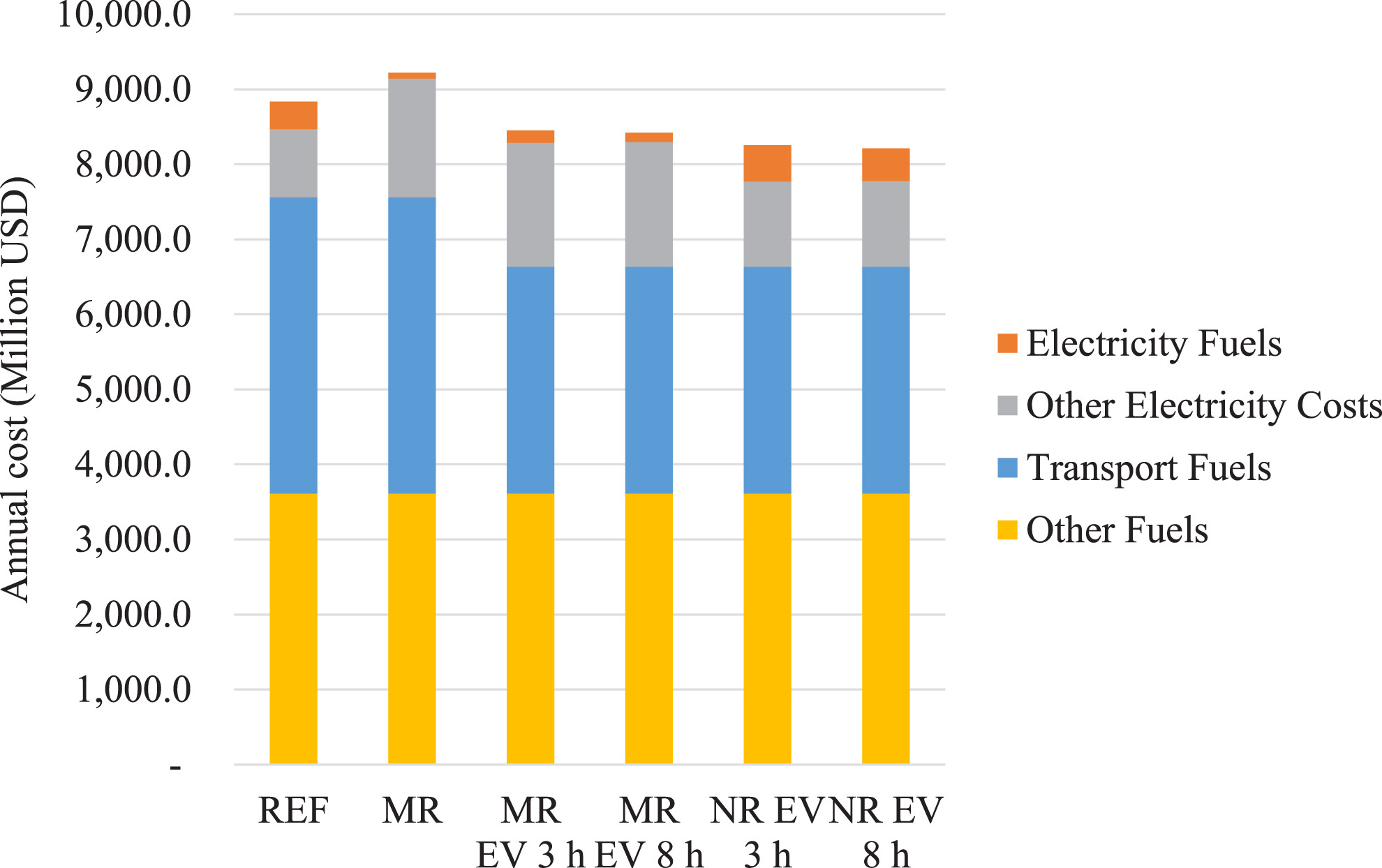
What does a transition to electric vehicles mean for the national grid? Oversimplified analyses present a
transition to electric vehicles as independent from changes to the national grid, assuming a constant
emissions factor, despite a transition to electric vehicles requiring significant additional electricity
demand and electricity supply build out. To assess the impact of a transition to electric vehicles
holistically we assessed a transition to electric vehicles under several different grid and charging
scenarios, assessing the cumulative emissions and build out costs to facilitate the EV uptake, all compared
to a Business as usual (BAU) scenario to assess the cost of inaction.
To complete the analysis the New Zealand grid was modelled using the LEAP energy modelling package. Overall,
the work is one of the most detailed of its kind. The work was published in the highly reputable journal
Energy Reports and is available here.
Hot Water Heating Demand Flexibility
Electric hot water heating presents an existing and underutilized method for demand response in New Zealand.
Hence, better use of this resource is one of the most promising and lowest cost means to improve the
performance of the New Zealand power system, decreasing peak loads and increasing the uptake of low-cost
intermittent renewable energies.
I conducted a series of studies into this important topic:
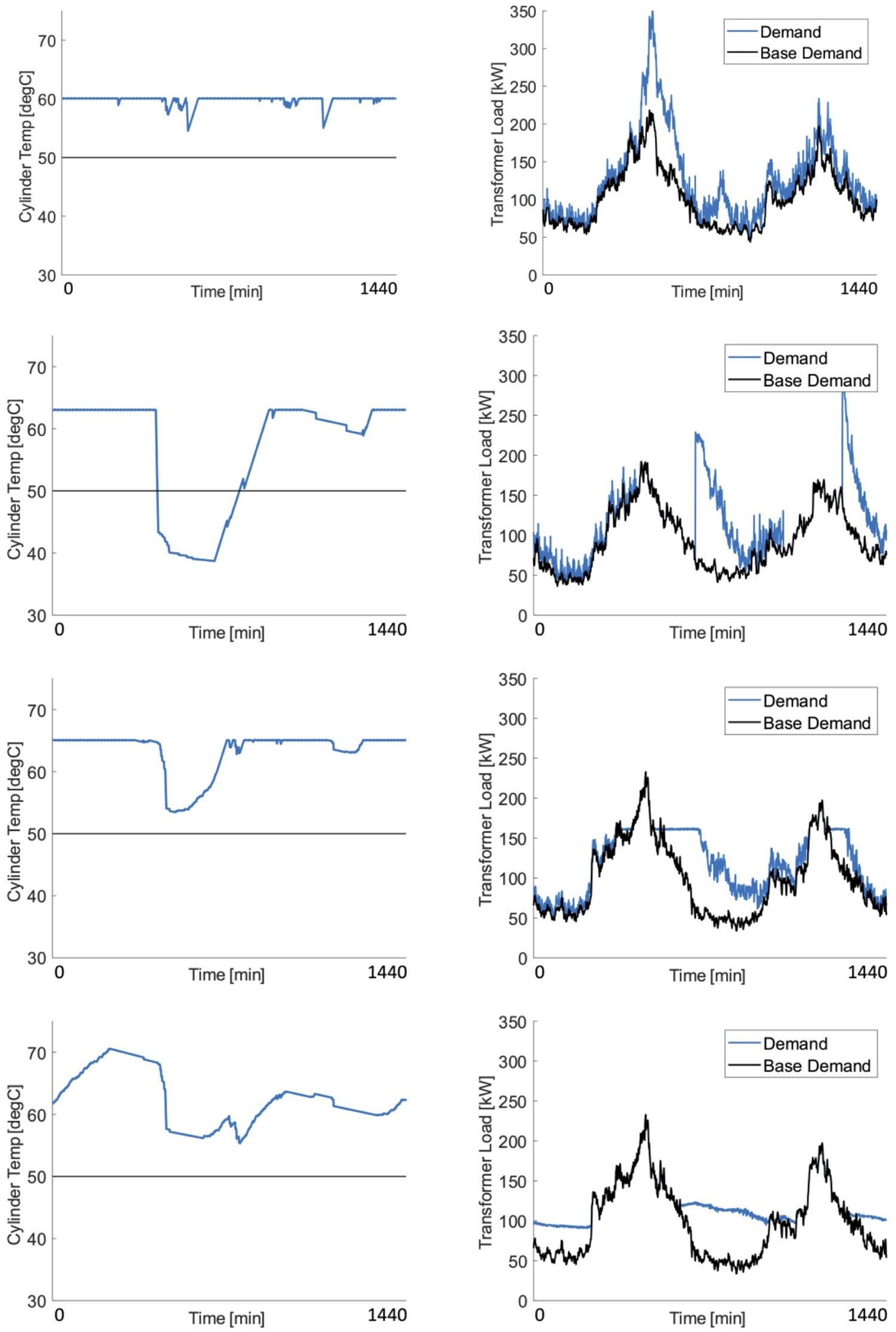
⮕ The true energy storage availability for hot water cylinders was evaluated by considering stochastic usage
profiles and predictive control
Results indicated the average storage available for demand side management from the use of this smart
controller is predicted to be between 3.63 and 7.20 kWh per household. Read the full paper here.
⮕A range of existing and emerging controller types were investigated for their impact on peak demand and
serviceability.
Smart-thermostat controller demonstrated the greatest efficacy of all the controllers assessed with
significant reductions in peak demand without substantial losses in service. Additionally, smart-thermostat
controllers demonstrate demand deferral and valley filling, shifting peak loads to times of lowest demand
and smoothing load distribution. Read the full paper here.
Lighting Design & Measurement
Lighting is a significant driver of energy usage but is also highly influential for the aesthetics and functionality of
indoor environments. Despite this, lighting design has not kept up with the evolving use of indoor
environments (the ubiquity of back-lit screens) or lighting measurement technology (low-cost imaging
sensors). The result is that despite years of research and development, lighting design still follows
an oversimplified illuminance design methodology.
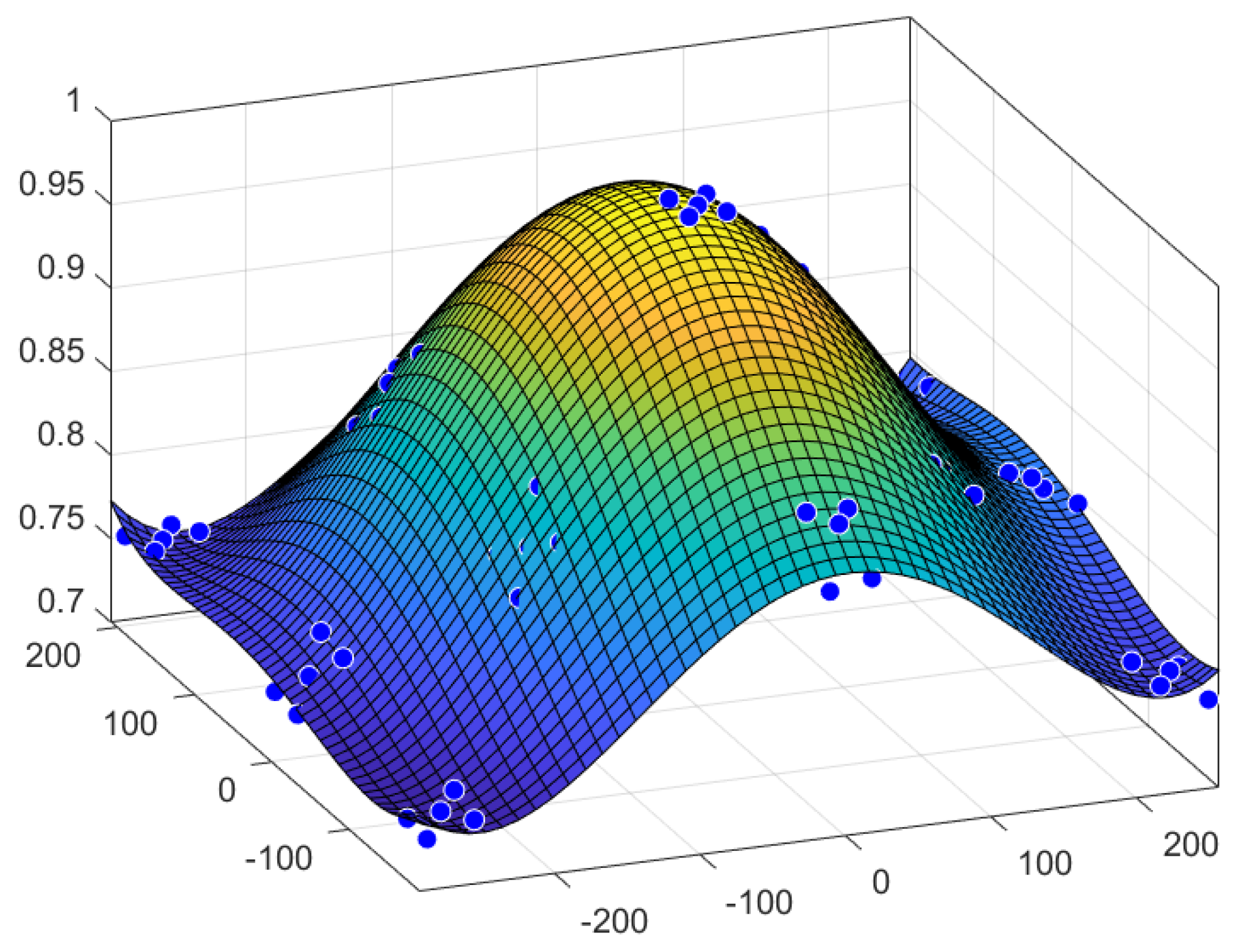
This thesis argues for a movement away from illuminance design standards and towards luminance distribution
targets, which includes the important feature of visual contrast and its variation across the field of view. To
support this a practical new lighting methodology is developed from robust visual research and low-cost
luminance imaging devices were developed to support the method.
For more details the full thesis can be found here, and journal publications detailing the new design method here, and development of a low-cost luminance imaging device here,.
 p
p
Energy Education
In 2021-2022 I developed and lectured a final year Energy Systems Engineering course (ENME405-605) to replace a departing staff member. The challenging course comprehensively covered energy from resources,
conversion technologies, through to demands (buildings, transportation, and industry). The course has been
retained and is still being taught today.
The new course achieved very high student evaluations 4.7 & 4.8 (/5). A couple student comments are captured
below:
“Awesome class!! Thoroughly enjoyed it, thanks so much for all the effort put in, it was a stimulating and
engaging course and I'm super glad I took it. Cheers!!”
“Great teacher and stimulated my interest massively”